
Heeling accounts for eighty points in both Novice and Open - more than any other single skill. Yet handlers consistently underestimate how much precision judges actually expect. From my position as a judge, I watch teams lose championships through heeling errors they never notice from their vantage point. The dog who forges by three inches on every left turn. The handler whose pace variations create inconsistent position. The sits that drift crooked by degrees the handler cannot see. Competitive heeling demands attention to details most handlers never examine.
What Heel Position Actually Means
AKC regulations define heel position as the dog's shoulder in line with the handler's left hip, the dog close without crowding, and the dog moving parallel to the handler's path. This definition sounds straightforward. Achieving it requires obsessive attention to mechanics that separate adequate heeling from competitive heeling. Understanding the AKC obedience levels helps contextualize how heeling requirements evolve from Novice through Utility.
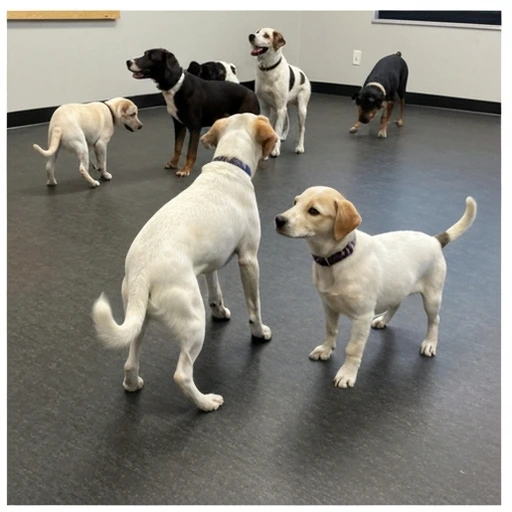
The shoulder alignment matters more than handlers realize. Dogs who watch their handler's face often drift their body position while maintaining eye contact. The result is a dog who looks attentive but whose shoulder sits behind the handler's hip on straight lines. Judges see this immediately; handlers often do not.
The Video Test
Record your heeling from directly behind, not from the side. Most handlers discover their dog is two to four inches out of position on straight lines - a consistent deduction they never perceived from their handler's viewpoint. Film weekly and measure progress objectively rather than relying on feel.
The Three Components of Competition Heeling
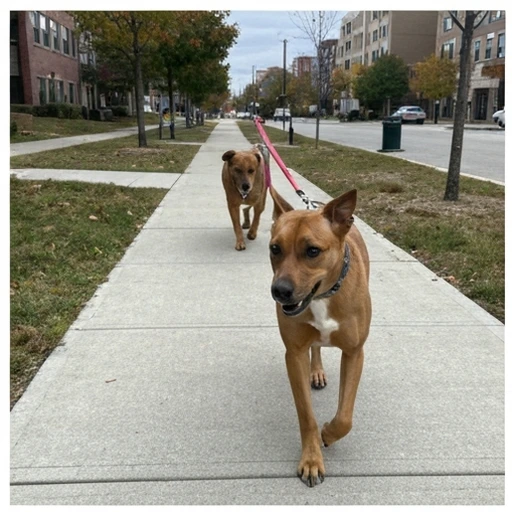
Every heeling pattern tests three distinct skills: straight line precision, turns, and pace changes. Judges evaluate each separately, and weaknesses in any area accumulate across the pattern. A dog who heels well in straight lines but swings wide on left turns will never score above 38 out of 40.
Straight Line Precision
Straight lines reveal attention and position simultaneously. The dog who looks away drifts. The dog who watches but fails to adjust position loses points silently - the handler often never notices because the dog seems focused. True straight line heeling requires the dog to maintain precise shoulder alignment while matching the handler's speed exactly.
Train straight lines in short segments initially. Ten steps of perfect position beats fifty steps of acceptable position. Mark and reward the instant your dog achieves correct alignment, then gradually extend duration. Deliver rewards at your left hip, not from your hand in front - front delivery encourages forging.
Turns and Their Point Costs
Left turns expose forging. The dog walking half a step ahead collides with your leg or must suddenly slow. Right turns reveal lagging - the trailing dog must scramble to maintain position through the turn. About turns demand both skills simultaneously, plus the ability to reverse direction while maintaining shoulder alignment.
Common Heeling Deductions
Train turns separately before integrating them into heeling patterns. Reward the approach to the turn, the pivot itself, and the exit as three distinct moments. Only after each component is solid should you chain them together. Dogs who struggle with turns typically learned them as obstacles within heeling rather than skills deserving dedicated training.
Pace Changes
Fast and slow commands test your dog's responsiveness to speed variation. In fast, you jog and the dog should trot beside you, maintaining position without galloping or falling behind. In slow, you walk deliberately and the dog must slow proportionally without lagging or breaking position entirely.
Many handlers train pace changes only by changing their own speed. This creates dogs who react to handler movement rather than understanding matched speed conceptually. Train your dog to accelerate and decelerate independently, then add your pace changes. The dog who understands speed adjustment recovers faster when you make errors.
The Figure Eight
The figure eight deserves special attention because it combines every heeling skill into one continuous exercise. You heel around two stewards standing eight feet apart, creating inside turns (tight) and outside turns (wide) that test your dog's ability to adjust position continuously.
The inside post requires your dog to slow and tighten their arc. The outside post demands acceleration and a wider path. The transitions between posts - where the figure eight crosses itself - require instant speed adjustments. Dogs lacking independent position understanding struggle because they cannot simultaneously watch the handler and navigate the pattern.
Figure Eight Progression
Start training with posts thirty feet apart. This gives your dog time to adjust between inside and outside arcs. Gradually reduce the distance over weeks until the standard eight feet feels manageable. Rushing this progression creates dogs who panic when posts approach.
Building Engagement Without Dependency
Competitive heeling requires sustained attention, but attention must not become dependency. The dog who stares at your face but cannot maintain position without constant guidance will fall apart under pressure. True engagement means the dog monitors your movement while independently maintaining correct position.
Train engagement through interaction games before asking for heeling. The dog learns that watching you predicts good things. Then add movement while maintaining engagement. Only when the dog can move beside you while staying connected do you introduce position criteria. This sequence - engagement first, position second - produces dogs who heel because they want to.
The alternative approach - luring dogs into position with food - creates different problems. Lure-dependent dogs lose position when the food disappears. In competition, where you carry no rewards, these dogs fall apart. Build genuine engagement first.
The Automatic Sit
Every halt requires an immediate, straight sit. The dog who sits slowly loses points. The dog who sits crooked loses more. The dog who sits only after a second command fails the exercise. Automatic sits must become reflexive - your stopping triggers the sit without conscious thought from the dog.
Train halts as their own skill before integrating them into heeling. Stand still, mark the instant your dog's rear touches ground in correct position, reward. Repeat hundreds of times until the sit happens faster than observation allows. Then add one step before the halt. Then two. Build gradually until full heeling patterns include automatic sits requiring no thought from either partner.
Handler Mechanics
Your movement affects your dog's heeling more than most handlers realize. Inconsistent pace creates position errors. Leaning into turns throws your dog off balance. Arms that swing erratically provide conflicting information about direction changes. Our guide on handler presentation covers these mechanics in greater depth.
Walking Naturally
Walk with consistent pace and rhythm. Your dog learns to match your footfalls, so erratic speed creates erratic heeling. Practice walking without your dog until your pace feels metronomic.
Keep your arms quiet at your sides. Excessive movement - especially with the left arm - gives your dog false signals about direction changes. Your about turn signal should be distinct from normal arm movement.
Where to Look
Look forward, not at your dog. Handlers who constantly check their dogs create several problems: unnatural posture that affects movement, telegraphed insecurity that the dog perceives, and missed ring navigation cues. Trust your training. Your dog knows where to be without your constant supervision.
The Mirror Approach
Heel past mirrors or large windows that let you check position without looking down. This trains you to trust feel over sight. In competition, you cannot watch your dog without looking unnatural. Develop awareness of correct position through body sensation rather than visual confirmation.
Common Training Mistakes
Training too fast. Covering ground feels productive but builds sloppy habits. Ten minutes of precise short patterns beats thirty minutes of wandering heeling.
Inconsistent criteria. Accepting a crooked sit in training teaches your dog that crooked sits are acceptable. They will produce exactly what you have rewarded.
Practicing patterns instead of skills. The Novice heeling pattern is not a training exercise - it is an evaluation. Train the components. Test with patterns occasionally.
Ignoring handler mechanics. Your shoulders, hand position, and walking rhythm all affect your dog's heeling. Video yourself and fix your own errors before addressing your dog's performance.
Daily Training Protocol
Train heeling five to ten minutes daily rather than hour-long sessions weekly. Precision degrades with fatigue - yours and your dog's. Short, focused sessions build the muscle memory that survives ring pressure.
Vary your training locations. The living room, the yard, the parking lot, the training facility - each location presents different distractions and surfaces. A dog who heels only where they have practiced will struggle when competition introduces novel environments. For more on preparing for the competition environment, see our ring preparation guide.
End sessions before quality declines. Stopping while heeling is still sharp reinforces precision. Training through fatigue teaches sloppy patterns that reappear under stress. Quality over quantity, always.