
Scent discrimination accounts for sixty of Utility's two hundred points - thirty for leather articles, thirty for metal. More Utility runs fail on scent work than any other exercise. I have judged teams who sailed through signal exercise, directed retrieve, and directed jumping only to collapse at the article pile. The dog who rushes grabs wrong articles. The dog who lacks confidence refuses to commit. Building reliable scent discrimination requires patience most handlers underestimate and methodology most handlers never learn.
Understanding What We're Training
Your dog already knows how to use their nose. That is not what we are training. We are training your dog to trust their nose over their impulses, to verify rather than guess, and to commit confidently when they find your scent. The challenge is not teaching scent detection - it is building the mental process that produces reliable selections under competition pressure.
In competition, you touch one article to transfer your scent while your dog waits with their back to the pile. The steward places your article among identical articles handled only by them. On command, your dog turns, approaches the pile, locates your scent, retrieves that article, returns, delivers, and finishes. This happens twice - once for leather, once for metal.
Scent Discrimination Scoring (Each Set)
The Foundation Phase
Begin with a single scented article and no unscented articles present. Your dog learns that the game involves finding your scent and retrieving that article. This sounds obvious but establishes the fundamental behavior pattern before complexity enters.
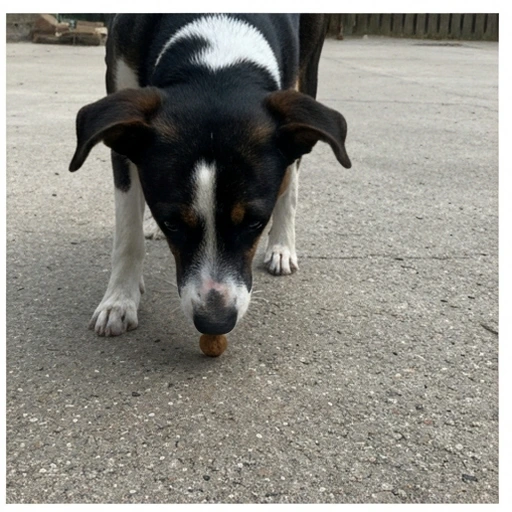
Place your scented article on the ground. Send your dog. They retrieve it. Mark and reward. Repeat until your dog immediately retrieves the article with enthusiasm. This phase typically takes one to two weeks of daily sessions.
Adding Unscented Articles
Add one unscented article. Now your dog must choose between two identical articles, one with your scent and one without. The correct choice should still be obvious - the scent difference is significant to a dog's nose. But this introduces the concept of discrimination.
Gradually add more unscented articles. Move from two articles to three, then four, eventually reaching the full eight articles. Each addition should happen only when your dog is selecting correctly with confidence at the current number.
Patience Over Speed
The most common scent discrimination error is progressing too quickly. Handlers eager to see full piles rush additions that confuse their dogs. A dog who fails at eight articles often succeeds when returned to four. Build the foundation so thoroughly that additions feel easy, not challenging.
Building Confidence at the Pile
Confident scent work looks specific: the dog approaches the pile, methodically checks articles, commits when they find yours, and retrieves without hesitation. Rushed work - charging in and grabbing - produces wrong articles. Tentative work - hovering without committing - suggests inadequate training.
The Verification Behavior
Train your dog to verify before retrieving. They should sniff each article thoroughly, committing only when certain. Some handlers teach a specific indication behavior - a brief pause or nose touch - before the retrieve. Others allow the retrieve to serve as the indication. Either approach works if the dog understands they must verify before taking.
Dogs who grab wrong articles typically bypassed verification. They approached the pile with momentum that carried them into a retrieve before scent processing completed. Teach your dog to slow at the pile, even if their approach is enthusiastic.
Working Both Materials
Leather and metal articles hold and release scent differently. Some dogs find one material easier than the other. Train both from the beginning rather than perfecting one before introducing the other. The foundation you build in Open class retrieve work directly supports the article handling required here.
The dog who learns scent discrimination as a single concept - "find mine regardless of material" - performs more reliably than the dog who learned two separate exercises. Alternate materials throughout training so both become routine.
Material-Specific Challenges
Metal articles can be cold in outdoor trials, which affects scent dispersal. Leather articles absorb scent more readily but can carry residual scent from previous handling. Neither presents insurmountable challenges, but awareness helps you train through various conditions.
Practice in different temperatures and humidity levels. Scent behaves differently in dry heat versus humid conditions. Dogs trained only in climate-controlled buildings sometimes struggle when conditions change.
Common Scent Work Errors
Proofing for Competition
Competition introduces variables your training room cannot replicate. Strange stewards handle the unscented articles, introducing novel scents. The pile sits in a ring your dog has never seen. Crowd noise, other dogs barking, and handler tension all affect performance.
Steward Scent Variation
Have multiple people handle your unscented articles during training. Your dog must learn that the game is always "find mine" regardless of what other scents are present. Dogs trained with only one person handling unscented articles sometimes struggle when new scents appear.
Location Variation
Train scent work in multiple locations. Different surfaces, different lighting, different distractions. The dog who succeeds only in familiar settings has not generalized the behavior.
Pressure Training
Add observers to your training sessions. The pressure of being watched affects handlers, and that tension transfers to dogs. Practice with an audience until neither you nor your dog reacts to observation. Our ring preparation guide covers additional strategies for simulating competition pressure.
Handling Errors in Training
When your dog retrieves a wrong article, do not correct at the pile. Pile corrections create pile avoidance. Instead, calmly take the article, return your dog to start position, and try again with an easier setup - fewer articles or fresher scent. Build success upon success rather than punishing errors.
The Retrieve Component
Scent discrimination includes all standard retrieve criteria. Your dog must pick up the article cleanly, return directly, sit in front holding the article, release on command, and finish. The scent-finding is only part of the exercise.
Handlers who focused on scent work while neglecting retrieve skills find their dogs lose points on the retrieve portion. Train complete retrieves from the beginning. Every scent work session should include full front sits, proper holds, clean releases, and correct finishes. See my guide on retrieve training for the complete methodology.
Mental Preparation
Scent discrimination tests handler nerves as much as dog training. You stand with your back to the pile, unable to see whether your dog is working correctly. The wait while your dog processes scent feels eternal. Many handlers transmit anxiety through their body language, affecting their dog's confidence.
Handler Composure
Practice standing still while your dog works. Do not shift, sigh, or tense. Your dog reads your body even when facing away from you. Handlers who fidget while waiting create dogs who rush to end the uncomfortable tension. The handler presentation principles apply even when your dog is working independently.
Trust your training. The time at the pile is not when you can help - you already did the helping in months of preparation. Your job during the exercise is to remain calm and confident, projecting the assurance that your dog can handle this independently.
Timeline Expectations
Building reliable scent discrimination typically takes four to eight months of dedicated training. Some dogs progress faster; many need longer. The timeline matters less than the foundation quality.
Handlers who rush scent work to "be ready" for Utility often experience frustrating inconsistency. Dogs who seemed reliable in training fail in competition. The extra months invested in thorough foundation work pay forward through years of reliable performance.
Common Training Mistakes
Increasing difficulty too quickly. Each step should be solid before advancing.
Correcting at the pile. This creates avoidance, making the problem worse.
Inconsistent scenting. Always scent articles the same way, with similar intensity and duration.
Neglecting retrieve skills. Scent discrimination includes a complete retrieve sequence.
Training only in favorable conditions. Dogs need experience with temperature, humidity, and environmental variations.
The Long Game
Scent discrimination is not an exercise you train once and maintain. It requires ongoing work throughout your competition career. Even experienced OTCH dogs benefit from regular scent work sessions that reinforce the verification process and maintain confidence. Never assume scent work is "finished" - treat it as a skill requiring continuous attention.
Integration with Utility Preparation
Begin scent discrimination training while working on other Utility exercises. The timeline for reliable scent work is long enough that starting late creates bottlenecks in overall Utility preparation. See my comprehensive guide on Utility class preparation for how all exercises fit together.